


Kidney Stone Treatment in Delhi & Gurugram | Best Kidney Stone Doctor
Kidney stone pain can be sudden, intense, and disruptive to daily life. If you are searching for Kidney Stone Treatment in Delhi, Kidney Stone Treatment in Gurugram, or the Best Kidney Stone Doctor in Delhi, you need expert care that is both effective and patient-focused.
At our center, we provide advanced, minimally invasive kidney stone treatment tailored to each patient’s condition. Whether your stone is small and manageable with medicines or requires surgical removal, you receive safe, evidence-based care with a focus on long-term prevention.
Reviewed by Dr. Ajay Sharma, Senior Consultant Urologist (34+ Years Experience)
Consult Dr. Ajay Sharma – Book AppointmentWhat Are Kidney Stones?
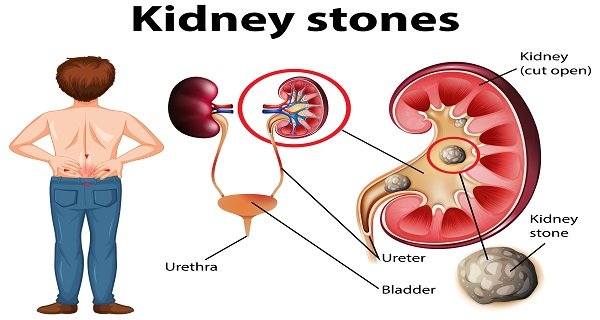
Kidney stones are hard deposits made of minerals and salts that form inside the kidneys. They can vary in size from tiny crystals to larger stones that block urine flow. Without proper treatment, they may lead to severe pain, infection, or kidney damage.
Types of Kidney Stones
Kidney stones are not all the same. Identifying the exact type of stone is important because it helps your doctor choose the most effective treatment and create a personalized prevention plan. At our center, every patient undergoing Kidney Stone Treatment in Delhi, Noida, or Gurugram receives an evaluation to determine the stone type for better long-term results.
Main Types of Kidney Stones
1. Calcium Stones (Most Common)
These account for nearly 80–85% of all kidney stones.
- Calcium Oxalate Stones: The most common type, often linked to dehydration, high oxalate foods (like spinach, nuts, and chocolate), or metabolic imbalance.
- Calcium Phosphate Stones: Usually associated with certain metabolic conditions or high calcium levels in urine.
2. Struvite Stones (Infection Stones)
- Caused by long-standing urinary tract infections (UTIs)
- More common in women
- Can grow quickly and become large “staghorn” stones
3. Uric Acid Stones
- Form when urine becomes too acidic
- Common in people with high-protein diets (red meat, seafood) or conditions like gout
- More frequently seen in men
4. Cystine Stones (Rare)
- Caused by a genetic condition called cystinuria
- Leads to excess cystine in urine, forming stones
- Often seen in younger patients
Personalized Care & Treatment Approach for Kidney Stones
The treatment of kidney stones is carefully planned based on the stone type, size, location, and your overall health. From medications and lifestyle changes to advanced minimally invasive procedures, the goal is to provide safe, effective, and long-term relief.
For severe pain, large stones, or recurring issues, it is important to consult a kidney stone specialist doctor in Delhi immediately for expert care and timely treatment.
Symptoms / Conditions We Treat in Kidney Stone Patients
Kidney stone symptoms can vary from mild discomfort to intense, emergency-level pain. Many patients initially ignore early signs, mistaking them for gas, back pain, or urinary infection—which often delays proper treatment.
If you experience any of the following symptoms, it’s important to consult a kidney stone specialist doctor in Delhi without delay:
Common & Early Warning Signs
- Severe, sudden pain in the back or side (renal colic) Often starts below the ribs and may move toward the lower abdomen or groin as the stone travels
- Pain that comes in waves and doesn’t improve with position change Many patients describe it as one of the most intense pains, sometimes requiring emergency care
- Blood in urine (pink, red, or brown color) Caused when the stone irritates or scratches the urinary tract
- Burning sensation or pain during urination Often occurs when the stone moves closer to the bladder
- Frequent urge to urinate or difficulty passing urine Patients may feel constant urgency but pass only small amounts
Symptoms Patients Commonly Experience (Real-World Cases)
- Nausea and vomiting due to severe pain Kidney stone pain can trigger digestive symptoms as well
- Pain radiating from back to groin or genitals A key sign that the stone is moving through the urinary tract
- Cloudy or foul-smelling urine Indicates infection or urine stagnation
- Fever and chills (medical emergency) May signal a serious infection requiring urgent treatment
- Restlessness and inability to find a comfortable position Unlike normal back pain, kidney stone pain remains constant and intense
Important to Know
- Small stones may cause no symptoms initially, but problems begin when they start moving or block urine flow
- Pain typically worsens as the stone travels through the ureter and causes obstruction
Causes & Risk Factors
Common reasons behind kidney stone formation include:
- Low water intake (dehydration)
- High salt or protein diet
- Obesity or sedentary lifestyle
- Family history of stones
- Medical conditions like gout or UTIs
Patients from Delhi, Noida, and Gurugram often develop stones due to lifestyle and hydration patterns, making preventive care essential.
Diagnosis & Evaluation
As a leading kidney stone hospital in Delhi, we follow the latest evidence-based diagnostic approach to ensure accurate detection and personalized treatment planning for every patient.
Advanced Diagnostic Approach
- Ultrasound (First-Line Screening) A safe and non-invasive test often used as the initial evaluation. It helps detect stones, swelling in the kidney (hydronephrosis), and urinary blockage.
- CT Scan (Gold Standard for Accuracy) Non-contrast CT scan is considered the most precise method for detecting kidney stones, even very small ones. It provides detailed information about the size, location, and density of the stone, which is essential for selecting the right treatment.
- Urine & Blood Tests (Metabolic Evaluation)
These tests help identify:
- Infection
- Kidney function
- Mineral imbalances causing stones In some cases, 24-hour urine analysis is recommended to understand the root cause and prevent recurrence.
- X-ray / KUB Imaging (Selective Use)Used in specific cases to monitor stone progression or follow-up after treatment, though it may miss smaller stones.
Comprehensive Evaluation for Better Outcomes
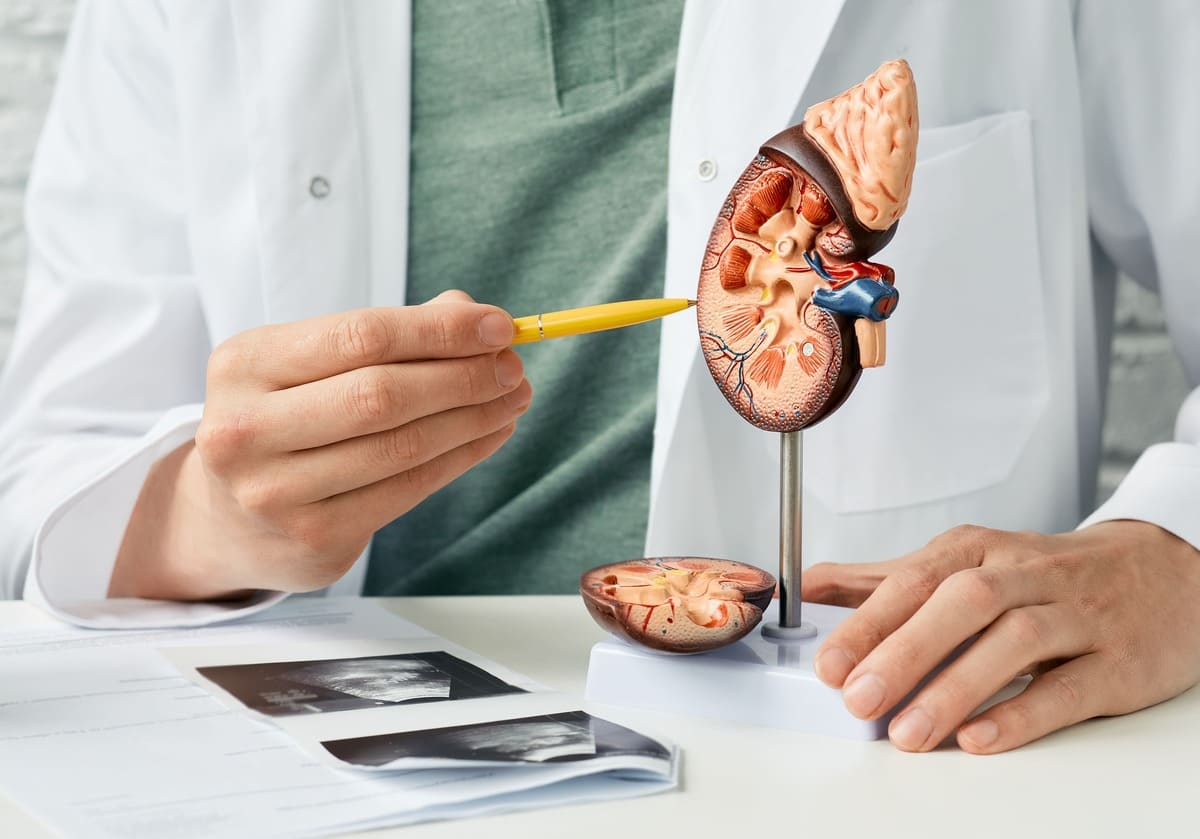
In addition to imaging, a detailed clinical evaluation includes:
- Medical and dietary history
- Previous stone episodes
- Risk factor assessment
- Stone analysis (if available)
This complete assessment allows us to design the safest and most effective Kidney Stone Treatment in Delhi, Noida, and Gurugram, tailored to your specific condition.
Treatment Options / Procedure Details
We offer both non-surgical and advanced minimally invasive procedures:
Non-Surgical Treatments
- Medications to dissolve or pass small stones
- Hydration therapy
- Pain management
Advanced Stone Removal Procedures
- ESWL (Shock Wave Therapy) – Non-invasive stone breaking
- URS (Ureteroscopy) – Laser removal via natural passage
- RIRS (Retrograde Intrarenal Surgery) – No cuts, flexible scope treatment
- PCNL (Percutaneous Nephrolithotomy) – For large or complex stones
These procedures make us one of the best hospital for kidney stone treatment in Delhi with high success and safety.
Need expert advice? Book your consultation today with the Best Kidney Stone Doctor in Delhi.Cost of Kidney Stone Treatment in Delhi
The kidney stone treatment cost in Delhi can vary depending on several medical and hospital-related factors. Since every patient’s condition is different, the final cost is determined after proper diagnosis and evaluation.
Factors Affecting Cost
- Size and Type of Stone: Larger or complex stones may require advanced procedures
- Procedure Required: ESWL, RIRS, URS, or PCNL each have different cost ranges
- Hospital Facilities: Infrastructure, technology, and room category
- Patient Condition: Overall health, complications, or additional care needs
We believe in transparent and ethical pricing, ensuring patients receive the most effective treatment without unnecessary expenses. Our team also assists with insurance and helps you choose the most cost-effective treatment plan without compromising on quality or safety.
Recovery & Aftercare
Recovery after kidney stone treatment is usually quick, especially with minimally invasive procedures. Most patients can return to normal activities within a few days to a couple of weeks, depending on the type of treatment.
- Stay Hydrated: Drink 2–3 liters of water daily to flush out remaining fragments and prevent new stones
- Activity: Light activity can begin within 1–2 days; avoid heavy exercise for 1–2 weeks
- Diet: Follow a low-salt, balanced diet and limit high-oxalate foods
- Medications: Take prescribed medicines and follow stent care instructions (if applicable)
- Follow-Ups: Regular check-ups ensure complete recovery and prevent recurrence
About Dr. Ajay Sharma – Best Kidney Stone Specialist in Delhi & Gurugram
Dr. Ajay Sharma is a highly respected Senior Consultant Urologist with over 34+ years of experience, known for his expertise in treating kidney stone disease and complex urological conditions. Practicing at Sir Ganga Ram Hospital, New Delhi, he has successfully treated thousands of patients with advanced and minimally invasive techniques.
He is particularly known for:
- Expertise in kidney stone treatment (PCNL, URS, RIRS, ESWL)
- Advanced laparoscopic and robotic urological surgeries
- Management of large, complex, and recurrent kidney stones
- Patient-centric approach with clear communication
- Evidence-based and cost-effective treatment planning
His association with leading hospitals in Delhi and Gurugram ensures access to advanced technology and comprehensive care.
Book Your Consultation with Delhi's Leading Kidney Stone SpecialistFrequently Asked Questions
The best doctor for kidney stones is a urologist, a specialist trained in diagnosing and treating urinary tract and kidney conditions. For advanced care, choosing an experienced kidney stone specialist doctor in Delhi like Dr. Ajay Sharma ensures accurate diagnosis, minimally invasive treatment, and long-term prevention.
Fruits rich in citrate are beneficial because they help reduce stone formation. Examples include lemon, oranges, sweet lime (mosambi), and watermelon. Citrate works by preventing crystal formation in the urinary tract. However, it’s important to understand that fruits alone cannot “clean” or remove existing stones, and proper medical evaluation is still necessary for effective treatment.
A 7 mm stone is unlikely to pass naturally and usually requires medical treatment. Common options include URS (ureteroscopy), where a laser is used to remove the stone through the urinary tract; RIRS, which uses a flexible scope for treating kidney stones; and ESWL, a shock wave therapy used in selected cases. The exact procedure depends on the stone’s location and the patient’s overall condition.
A urologist is the most suitable specialist for kidney stones. They are trained to provide both medical and surgical treatments, including advanced procedures like PCNL, URS, and RIRS.
Medications for kidney stones depend on the type of stone and the patient’s symptoms. Commonly prescribed options include pain relief medicines, alpha-blockers to help pass stones more easily, and medications to reduce uric acid levels or prevent recurrence. It is important to consult a doctor before taking any medication, as treatment should always be personalized based on individual needs.
The most effective drink for managing and preventing kidney stones is water, with a recommended intake of 2–3 liters daily. Other helpful options include lemon water, which is a natural source of citrate, coconut water, and diluted citrus juices. Staying well hydrated is essential for both treatment and prevention of kidney stones.
To reduce the risk of kidney stones, it is important to limit high-salt foods, excess animal protein such as red meat and seafood, high-oxalate foods like spinach, nuts, and chocolate, as well as sugary drinks and processed foods. Excess vitamin C supplements should also be avoided. Maintaining a balanced diet along with proper hydration plays a crucial role in preventing the recurrence of kidney stones.