



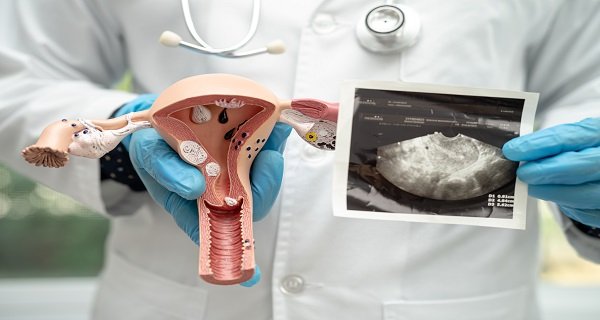
Bladder Cancer Treatment in Delhi & Gurugram– Expert Care by Dr. Ajay Sharma
Bladder cancer is a serious condition that needs early diagnosis and proper medical care. Bladder Cancer Treatment in Delhi offers advanced options such as minimally invasive surgery, chemotherapy, and robotic procedures. When detected early, bladder cancer is often treatable. Timely consultation with a specialist improves recovery chances and reduces the risk of complications or recurrence.
This exhaustive guide will include:
- Symptoms and causes of bladder cancer
- Treatment options: TURBT, radical cystectomy, radiation, chemotherapy, and robotic-assisted procedures
- The costs related to TURBT surgery in Delhi
- Dr. Ajay Sharma's guarantee toward proven and trusted care
What Is Bladder Cancer?
Bladder cancer begins when abnormal cells grow inside the bladder lining. The bladder stores urine made by the kidneys. When these cells multiply without control, they form a tumor. Early diagnosis plays a key role in successful Bladder Cancer Treatment in Delhi, as many cases can be treated effectively when found in the initial stages.
How Bladder Cancer Develops
Most bladder cancers start in the urothelial lining and may remain superficial or invade deeper muscle layers over time.
Types of Bladder Cancer
Bladder cancer is classified based on the type of cells where it begins. The type helps Best Bladder Cancer Specialist in Delhi decide the best treatment plan.
Urothelial Carcinoma (Transitional Cell Carcinoma) This is the most common type of bladder cancer. It accounts for about 90–95% of all cases . It starts in the urothelial cells lining the inside of the bladder and may be non-invasive or invasive.
Squamous Cell Carcinoma This type is less common. It develops due to long-term bladder irritation, such as chronic infections or prolonged catheter use. It may behave more aggressively than urothelial carcinoma.
Adenocarcinoma A rare form of bladder cancer that begins in glandular cells of the bladder lining. It represents a small percentage of cases and often requires combined treatment.
Small Cell Carcinoma A very rare and fast-growing type of bladder cancer. It accounts for a small fraction of cases and usually needs aggressive treatment such as chemotherapy with surgery or radiation.
Stages of Bladder Cancer
Staging explains how far the cancer has grown inside the bladder or spread to other parts of the body. The stage helps the doctor choose the right plan for Bladder Cancer Treatment in Gurugram.
Non-Muscle Invasive Bladder Cancer (NMIBC)
In this stage, the cancer is limited to the inner lining of the bladder and has not reached the muscle layer.
Muscle-Invasive Bladder Cancer (MIBC)
In this stage, the cancer has grown into the muscle wall of the bladder and may spread to nearby organs.
Metastatic Bladder Cancer
This stage means the cancer has spread beyond the bladder to lymph nodes or other organs such as the lungs, liver, or bones.
Symptoms of Bladder Cancer
Bladder cancer symptoms may appear early or develop slowly over time. Recognizing the signs early helps start the best bladder cancer treatment at the right time.
Early Warning Signs
The most common symptom is blood in the urine, which may change the color of urine. Other early signs include frequent urination, urgency, burning during urination, or feeling that the bladder is not empty.
Advanced Symptoms
In later stages, patients may experience pelvic pain or lower back pain. Unexplained weight loss, tiredness, swelling in the legs, or difficulty passing urine may also occur.
Causes and Risk Factors
Bladder cancer can develop due to certain lifestyle and environmental factors. Understanding these risks helps in prevention and early consultation with the best bladder cancer specialist in Delhi.
Smoking and Tobacco Exposure
Smoking increases the risk because harmful chemicals pass into the urine and damage the bladder lining over time.
Fact: Smoking is responsible for nearly 50% of bladder cancer cases in men and about 30% in women.
Chemical and Industrial Exposure
Long-term exposure to chemicals used in dye, rubber, leather, and textile industries may increase the risk of bladder cancer.
Chronic Bladder Irritation
Repeated urinary infections, long-term catheter use, or constant bladder inflammation can increase the chances of developing cancer.
Previous Radiation or Chemotherapy
People who received radiation therapy to the pelvic area or certain chemotherapy drugs may have a higher future risk.
Genetic and Family History
A family history of bladder cancer or inherited genetic changes may increase the likelihood of developing the disease.
Diagnosis/Test of Bladder Cancer in Delhi
Accurate diagnosis is important before starting bladder cancer surgery in Delhi. Doctors use urine tests, endoscopic procedures, and imaging scans to confirm the cancer type, stage, and spread. This helps the best bladder cancer specialist in Delhi choose the right treatment plan.
Urine Tests and Cytology
Doctors start with a urine test.They place a drop of urine under a microscope to look for cancer cells - this method is called urine cytology.
It clearly shows high grade tumors and flat carcinoma in situ. A few specialised centres add molecular marker assays besides the FISH test. Those extra tests clarify the result when the standard checks remain doubtful.
Cystoscopy Procedure
Cystoscopy is the most important test to detect bladder tumors.A thin flexible tube with a camera is inserted through the urine passage. This allows the doctor to see the bladder lining directly.
Some best bladder cancer treatment centers near Delhi use:
- Blue-light cystoscopy
- Narrow-band imaging (NBI)
These technologies help detect flat or hidden tumors that may not be visible with standard cystoscopy.
Biopsy (TURBT for Diagnosis)
If a tumor is seen, a procedure called TURBT is done. During this procedure:
1.The tumor is removed. 2.A tissue sample is sent to the lab.
The biopsy confirms:
- Type of cancer
- Grade (how aggressive it looks)
- Depth of invasion
A deep muscle sample is taken to check whether the cancer has entered the bladder muscle. This decides whether bladder cancer surgery in Delhi is needed.
CT Scan, MRI, and Imaging
Imaging scans show the size of the tumor and whether it has spread. MRI Pelvis helps identify muscle invasion. The VI-RADS scoring system improves accuracy in detecting muscle involvement. CECT scan of chest, abdomen, and pelvis checks spread to lymph nodes, lungs, or liver. CT Urography examines the kidneys and ureters for additional tumors. These tests help the best bladder cancer specialist decide the next step in treatment.
Bladder Cancer Treatment Options in Delhi
Bladder cancer treatment is planned based on the stage, grade, and overall health of the patient. Most leading hospitals in Delhi and Gurugram follow a multidisciplinary approach, where urologists, medical oncologists, and radiation experts work together to provide comprehensive care.
Treatment Planning Based on Stage and Grade
The treatment approach mainly depends on whether the cancer is:
- Non-muscle invasive (NMIBC)
- Muscle-invasive (MIBC)
Doctors also consider tumor grade, risk category, age, and overall health before deciding the most suitable treatment plan. This ensures a personalized approach for each patient.
Transurethral Resection of Bladder Tumor (TURBT)
TURBT is usually the first step in treating early-stage bladder cancer. The procedure is performed through the urinary passage using specialized instruments, so no external cuts are required.
It helps in both diagnosing and removing tumors confined to the inner layers of the bladder. In many cases, additional medication may be given inside the bladder after the procedure to lower the chances of recurrence.
Intravesical Therapy (BCG & Chemotherapy)
After TURBT, treatment may continue with medication delivered directly into the bladder to destroy any remaining cancer cells.
BCG Therapy
BCG is a type of immunotherapy commonly used for intermediate and high-risk cases. It works by activating the body’s immune system to target cancer cells.
Mitomycin C
This is a chemotherapy drug placed inside the bladder, often soon after TURBT. It is effective in reducing early recurrence in selected patients.
Radical Cystectomy
In cases where the cancer has invaded deeper layers or is at high risk of progression, removal of the bladder (radical cystectomy) may be recommended.
Surgical Approaches
- Open Surgery: Traditional method with a larger incision
- Laparoscopic Surgery: Minimally invasive with faster recovery
- Robotic Surgery: Advanced technique offering precision, less blood loss, and quicker healing
The choice of technique depends on the patient’s condition and the surgeon’s expertise.
Urinary Diversion After Bladder Removal
After bladder removal, a new way is created for urine to pass out of the body. The option is selected based on medical condition and patient preference.
Ileal Conduit
A simple method where urine drains into an external bag.
Neobladder Reconstruction
A new bladder is created using intestinal tissue, allowing more natural urination.
Continent Reservoir
An internal pouch is created, and urine is drained using a catheter when needed.
Chemotherapy
Chemotherapy plays an important role in managing bladder cancer and may be used at different stages of treatment.
- Before surgery (neoadjuvant): To shrink the tumor
- After surgery (adjuvant): To reduce recurrence risk
- Advanced stages: To control disease spread
It can be given through a vein (systemic) or directly into the bladder, depending on the situation.
Radiation Therapy
Radiation therapy uses high-energy rays to destroy cancer cells. It is sometimes combined with chemotherapy, especially for patients who want to preserve their bladder or are not suitable for surgery.
This combined approach is often referred to as trimodality therapy.
Immunotherapy and Targeted Therapy
These are advanced treatment options used in certain cases, particularly when cancer is advanced or has returned after initial treatment.
- Immunotherapy: Helps the immune system recognize and attack cancer cells
- Targeted therapy: Focuses on specific changes in cancer cells to stop their growth
These treatments are increasingly available in advanced cancer centers across Delhi NCR.
Bladder Preservation (Trimodality Therapy)
For selected patients, it may be possible to treat bladder cancer without removing the bladder.
This approach combines:
- TURBT
- Chemotherapy
- Radiation therapy
It aims to control cancer while maintaining bladder function.
Follow-Up After Treatment
Even after successful treatment, regular follow-up is essential because bladder cancer can recur.
- Cystoscopy is typically done every few months initially
- Later, monitoring becomes less frequent if no recurrence is detected
Ongoing follow-up helps in early detection and timely management if needed.
TURBT Surgery Cost in Delhi
What Affects the Cost of Bladder Cancer Surgery?
The cost of bladder cancer surgery in Delhi depends on several medical and hospital factors.
- Type of hospital: Government hospitals such as AIIMS or Rajiv Gandhi Cancer Institute offer subsidized treatment. Private hospitals usually charge more due to advanced facilities.
- Technology used: Blue-light cystoscopy, Narrow Band Imaging (NBI), or robotic support can increase the cost.
- Surgeon’s experience: Fees may vary depending on whether the procedure is performed by a senior or internationally trained specialist.
- Tumor complexity: Larger or high-grade tumors may require longer surgery or repeat TURBT.
- Pre- and post-operative care: Imaging tests, lab work, anesthesia, and hospital stay also add to the total expense.
Patients searching for the best bladder cancer specialist in Delhi should always discuss the complete treatment plan and expected expenses in advance.
Estimated Cost Range in Delhi
The cost varies by hospital and case complexity.
- Ultrasound: Around ₹500
- CT Scan: ₹1,000–₹15,000
- PET CT Scan: ₹5,000–₹25,000
- Consultation fee: ₹3,000–₹5,000 per visit
Government centers are generally more affordable than private super-specialty hospitals. Many best bladder cancer treatment centers in Delhi also assist with insurance approval and flexible payment options.
Recovery & Life After Bladder Cancer Treatment
Follow-Up and Recurrence Monitoring
Bladder cancer can come back. Regular follow-up is very important.
- Low-risk patients: Cystoscopy at 3 months, then at 9 months, and once yearly for five years.
- High-risk patients: Cystoscopy and urine tests every 3 months for two years, then every 6 months until five years.
- Imaging scans: Annual CT Urography may be advised in high-risk cases.
- After bladder removal: CT scans every 6 months for the first three years.
Regular monitoring improves long-term outcomes and is a key part of best bladder cancer treatment.
Managing Urinary Diversion
After bladder removal, urine passes through a new pathway.
- Ileal conduit: Patients learn how to manage the external bag and protect the skin around the stoma.
- Neobladder: Patients are trained to empty the bladder using new techniques.
- Medical monitoring: Doctors check Vitamin B12 and body salt balance in patients with intestinal diversion.
Guidance from trained nurses and doctors makes adjustment easier.
Lifestyle Adjustments
Recovery involves gradual physical and emotional healing.
- Diet support: A balanced diet helps rebuild strength.
- Emotional care: Support groups like Cancer Sahyog in Delhi provide counseling.
- Physical therapy: Helps reduce weakness and improve mobility.
- Daily routine: Most patients return to normal life but may need small adjustments.
With proper care, many patients resume regular activities within a few weeks to months.
Chemotherapy for Bladder Cancer
Chemotherapy uses medicines to destroy cancer cells. It may be given before surgery, after surgery, or as the main treatment in advanced disease.
Neoadjuvant Chemotherapy
This treatment is given before surgery. It helps shrink the tumor and improve surgical results. Platinum-based combinations such as Gemcitabine and Cisplatin are commonly used. Studies show it improves survival in muscle-invasive cases (NEJM, 2003)
Adjuvant Chemotherapy
This is given after surgery. It is recommended when the final report shows high-risk features or lymph node involvement. The goal is to reduce the chance of cancer returning.
Chemotherapy for Metastatic Cancer
When cancer spreads to other organs, chemotherapy becomes the main treatment. It helps control disease growth and improve survival.
Radiation Therapy
Radiation uses high-energy beams to kill cancer cells. It may be combined with chemotherapy for patients who want to preserve the bladder or cannot undergo major surgery. This approach is called trimodality therapy.
Immunotherapy and Targeted Therapy
These treatments help the immune system or block specific cancer proteins. They are mainly used in advanced or metastatic cases.
Immune Checkpoint Inhibitors
Drugs such as Pembrolizumab, Avelumab, and Nivolumab help the immune system attack cancer cells. Avelumab maintenance therapy improves overall survival after chemotherapy in metastatic bladder cancer. (JAVELIN Bladder 100 Trial, NEJM 2020).
Advanced Targeted Treatments
Some cancers have specific genetic changes.
- Erdafitinib targets FGFR mutations.
- Enfortumab Vedotin targets Nectin-4 protein on cancer cells.
These medicines are used in selected patients at advanced centers offering bladder cancer treatment in Delhi and Gurugram.
Why Choose Dr. Ajay Sharma for Bladder Cancer Treatment in Delhi?
Choosing the right specialist plays a vital role in successful bladder cancer treatment in Delhi. Dr. Ajay Sharma offers comprehensive care backed by decades of clinical experience and advanced surgical expertise. His approach focuses on accurate diagnosis, modern treatment techniques, and personalized patient care to ensure the best possible outcomes.
- 34+ years of experience in urology and urological oncology
- Recognized expertise in bladder and prostate cancer management
- Skilled in minimally invasive and robotic-assisted surgeries
- Personalized treatment plans based on cancer stage and patient health
- Strong commitment to medical ethics and patient safety
- Access to advanced diagnostic tools and modern surgical facilities
This ensures that patients receive trusted care from an experienced bladder cancer specialist who combines surgical precision with compassionate support.
Frequently Asked Questions
When choosing the best hospital for bladder cancer in Delhi, there isn’t just one “perfect” option—it depends on a few key factors. You should always look for:
- Experienced urologists and uro-oncologists
- Hospitals with advanced surgical technology (robotic/laparoscopic)
- Strong patient reviews and success rates
- Availability of complete cancer care (surgery, chemo, immunotherapy)
One highly recommended specialist is Dr. Ajay Sharma, who brings over 34+ years of experience in urology and uro-oncology. He has performed 30,000+ surgeries and is known for advanced robotic and laparoscopic procedures.
He is associated with:
- Sir Ganga Ram Hospital, New Delhi
- Umkal Hospital, Gurgaon
His approach focuses on personalized treatment, precision, and long-term outcomes—making him a trusted choice for many patients.
Bladder cancer can be highly treatable, especially when detected early.
- Around 96% of patients with early-stage bladder cancer survive at least 5 years after diagnosis.
- Overall, the 5-year survival rate is about 77%.
So, while “100% curable” isn’t always guaranteed, early detection significantly improves outcomes and can lead to long-term remission.
The best treatment depends on the stage and severity of the cancer:
- Early-stage (NMIBC):
TURBT surgery + intravesical therapy (like BCG) - Muscle-invasive bladder cancer:
Radical cystectomy (bladder removal) + chemotherapy - Advanced stages:
Immunotherapy, chemotherapy, or radiation therapy
A specialist will create a personalized treatment plan based on your condition, overall health, and cancer stage.
Stage 3 bladder cancer means the cancer has spread beyond the bladder into nearby tissues.
While it's more serious, it is still treatable. Common treatments include:
- Surgery (often bladder removal)
- Chemotherapy
- Radiation therapy
The 5-year survival rate is around 39%, but outcomes vary depending on how well the cancer responds to treatment.
Yes, many patients live long-term after bladder cancer treatment.
- Over 70% survive 1 year or more
- Around 50% survive 5 years or more
- More than 40% survive 10 years or longer
With early diagnosis, proper treatment, and regular follow-ups, long-term survival is very possible.
Chemotherapy is typically used in:
- Stage 2 and Stage 3 bladder cancer
- Before surgery (to shrink tumors)
- After surgery (to prevent recurrence)
- When surgery is not possible
It is often combined with other treatments for better results.
Here are the most common signs you should never ignore:
- Blood in urine (pink, red, or brown color)
- Frequent urination
- Burning or pain during urination
- Sudden urgency to urinate
- Lower back or pelvic pain
The most important symptom is blood in urine, even if its painless. If you notice this, consult a doctor immediately.
The Best Bladder Cancer Specialist in Delhi provides advanced treatments including TURBT surgery, robotic bladder surgery, chemotherapy, immunotherapy, and personalized cancer care plans.
You should visit the Best Bladder Cancer Specialist in Delhi if you notice symptoms like blood in urine, painful urination, frequent urination, or pelvic pain.
Bladder Cancer Treatment in Delhi has high success rates when the cancer is diagnosed early and treated with advanced surgical and oncology care.
Recovery time after Bladder Cancer Treatment in Delhi depends on the procedure performed, but minimally invasive and robotic treatments usually allow faster recovery.
Yes, robotic Bladder Cancer Treatment in Gurugram is available with experienced uro-oncology specialists for precise and minimally invasive cancer surgery.
Common symptoms requiring Bladder Cancer Treatment in Gurugram include blood in urine, frequent urination, burning sensation during urination, and pelvic discomfort.